Winter’s officially here, and let’s be honest – who doesn’t crave a cozy, warm bowl of something comforting?
But it’s about more than just satisfying a craving. What we eat this time of year has a massive impact on how we feel. In Traditional Chinese Medicine (TCM), winter is about conserving energy, supporting the immune system, and staying grounded. Think of it as your body’s version of hibernation; while we might want to just snuggle up with a blanket (no judgment!), TCM shows us how to actually nourish ourselves from the inside out.
This post is all about the ideal winter foods from a TCM perspective. We’ll look at how warming foods like soups and stews support the kidneys—the organ system responsible for your body’s energy stores. When this system is supported, you feel more resilient to the cold and maintain more stable energy throughout the day.
For me, really understanding the link between food and feeling good began years ago, thanks to acupuncture and guidance from a TCM doctor. The logic was simple and easy to apply to daily life. It’s less about following a rigid plan and more about understanding which foods help you feel steady when the temperature drops.
In TCM, the seasons are categorized into five elements: Wood, Fire, Earth, Metal, and Water. Winter belongs to the Water element, which is all about reflection and recharging. Just as nature slows down, our bodies also require a period of rest to store energy for the year ahead. Your kidneys are the central part of this process – sort of like your body’s main energy reserve. By making specific food choices, you can help your body maintain its core temperature and stay healthy. When they’re doing well, you’ll feel more energetic, your immune system gets a boost, and dealing with the chill becomes much easier. That’s why in winter, it’s a great idea to show your kidneys a little extra care, and your food choices can make a big difference!
Just as nature conserves energy in the winter, we need to do the same. It’s the right time to focus on nourishment and give your body the fuel it needs to stay strong. Let’s talk about the specific foods that keep your kidneys—and the rest of you—balanced all season long.
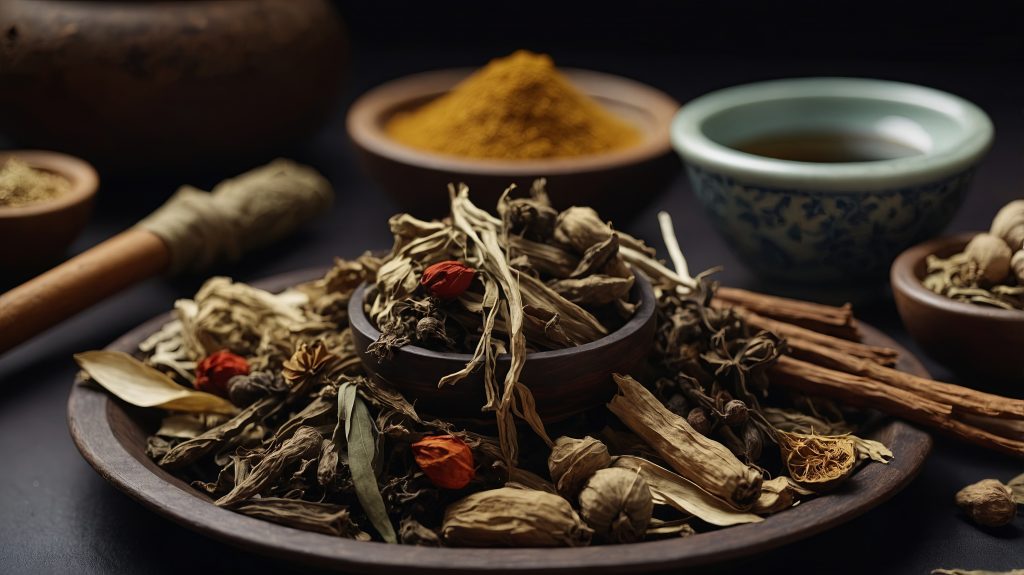
Foods to Eat During Winter
1. Warm Soups and Stews
I’ve always loved soups and stews—especially when the weather gets cold. In Traditional Chinese Medicine (TCM), warm, cooked foods are significantly easier on your digestion, and soups specifically help support the kidney system. I usually include whatever is on hand—hearty vegetables, beans, or a protein—and let them simmer together. Adding a few slices of ginger or a sprinkle of cinnamon provides a warming effect that helps the body maintain its core temperature. It’s a simple, nourishing way to stay balanced this time of year.
2. Bone Broth
Bone broth is a staple I keep on hand during the winter. From a TCM perspective, it’s a deeply nourishing food for the kidney system and provides essential minerals. The collagen and gelatin are also beneficial for joint health and maintaining the gut lining. I often sip a warm mug on its own or use it as a base for soups and stews. It’s a simple, functional way to add more nutrients to your meals during the colder months.
3. Root Vegetables
Root vegetables like sweet potatoes, carrots, beets, and parsnips are staples in my kitchen during the winter. In TCM, these grounding foods support kidney health and provide steady energy. I usually roast them with a bit of olive oil, salt, and pepper—it doesn’t need to be a complex recipe to be effective. Because they are high in fibre and vitamins, they also support healthy digestion and keep you feeling satisfied.

4. Warming Grains
I’ve always found grains like rice, oats, and barley super comforting in the winter. TCM actually recommends them this time of year since they’re warming and give you long-lasting energy. I’ll make a pot of congee or oatmeal in the morning, or use rice or barley as a base for grain bowls at lunch. They help support your digestion by nourishing the spleen and stomach—and honestly, they just make you feel full and steady without that heavy feeling.
5. Black Beans and Kidney Beans
Beans are such a great pantry staple, especially in winter. Black beans, kidney beans, and other dark-coloured ones are thought to be extra good for kidney health in TCM. I love how easy they are—just toss them into soups, stews, or even salads. They soak up all the flavours and add that bit of heartiness we all need when it’s chilly out. Plus, protein and fibre? Always a win.
6. Nuts and Seeds
Nuts and seeds are a practical snack during the colder months. Walnuts and pumpkin seeds are especially useful because they are packed with healthy fats and minerals. In TCM, walnuts are known for supporting the kidney system and providing steady energy. I often sprinkle them on oatmeal or have a handful in the afternoon when I need something quick and filling. Keeping a bulk supply on hand makes it easy to maintain this habit throughout the season.
7. Dark Leafy Greens
Even in winter, it is important to include leafy greens, though I move away from raw salads. Lightly sautéed spinach, kale, or chard are better suited for this time of year. Cooking these greens makes them easier to digest while preserving their iron and vitamin content. I usually add them to soups and stir-fries or serve them as a side to a warm meal. It is a practical way to maintain a high nutrient intake without cooling the body down.
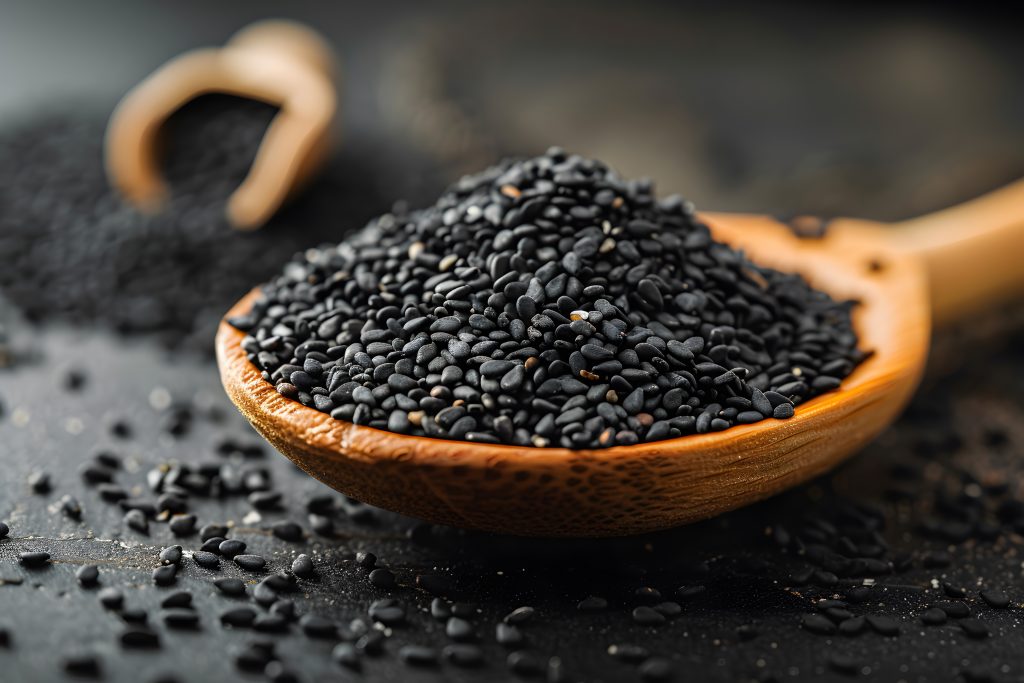
8. Black Sesame Soup: My Favourite
A traditional winter option I include is black sesame soup. It is a rich, slightly sweet dish that is particularly effective on cold days. In TCM, black sesame is used to nourish the kidneys and support energy levels when you feel depleted. I make it regularly to stay balanced throughout the season.
Black sesame seeds are dense in healthy fats and vitamins that support the skin and hair. To make it, you simply need black sesame seeds, water (or a nut milk), and a small amount of sweetener to taste. It is a nutrient-dense way to maintain your energy and internal warmth during the winter months.
Rest & Recuperation For Your Body
The winter season naturally encourages a slower pace, which aligns with our biological needs. In Traditional Chinese Medicine (TCM), winter is associated with the kidneys, which act as the body’s primary energy reserve. This is the time of year meant for resting and replenishing those stores. It is a necessary season for slowing down, focusing on recovery, and making consistent sleep a priority rather than an afterthought.
Here are a few simple, cozy ways to recharge during winter:
1. Embrace the Early Bedtime
With the sun setting earlier, there is a natural opportunity to prioritize rest. In TCM, winter is a season for conserving energy, and an earlier bedtime supports this process. Aiming to be in bed by 10 p.m. allows the body to recharge and specifically supports the kidney system.
Tip: A warm mug of chamomile or lavender tea can help transition the body into sleep. Additionally, turning off screens an hour before bed improves sleep quality and reduces mental stimulation.
2. Create a Restful Bedroom Environment
Your bedroom environment is a key factor in sleep quality, especially during the winter. Lowering the lights an hour before bed and minimizing noise helps the nervous system transition into rest. Maintaining a room temperature between 15–19°C is ideal for supporting the body’s natural sleep cycle. Additionally, a tidy, decluttered space reduces mental stimulation and supports a calmer environment.
Tip: Using lavender or eucalyptus essential oils can help signal to the body that it is time to wind down. These small adjustments to your surroundings make a significant difference in how effectively you recover overnight.
3. No More Midnight Snacks!
I get it—those midnight snack cravings are real. But eating too late can actually make it harder to get a good night’s sleep. In TCM, your digestion starts to slow down in the evening, so heavy meals late at night aren’t doing your body any favours. Try making lunch your main meal and keep dinner lighter and easy to digest.
Tip: If you’re feeling a bit hungry before bed, go for something gentle—like a small handful of almonds or a warm cup of oat milk with a touch of honey. Just enough to settle you, not too much to weigh you down.
4. Warm Up Before Bed
When the weather gets chilly, getting cozy just feels right. TCM actually says the cold can zap your energy and affect your sleep, so staying warm before bed is a simple way to take care of yourself. A warm bath or shower helps your body relax and signals that it’s time to wind down. Or try soaking your feet in warm water—it’s one of my favourite bedtime rituals. It boosts circulation and helps you settle in for sleep. Plus, in TCM, your feet connect to energy pathways in the body, so keeping them warm can help calm your whole system.
Tip: Slip on a comfy pair of socks or cuddle up with a hot water bottle. Keeping your feet warm makes a big difference in how well you sleep.
5. Gentle Movement
Even though winter is about slowing down, a bit of gentle movement before bed can really help. Simple stretching, yoga, or even a bit of Tai Chi can ease the tension from the day and help your body shift into rest mode. You don’t need a full routine—just a few calming moves can make bedtime feel way more peaceful.
Tip: Try something simple like child’s pose or a forward fold to release tension and settle your mind.
6. Stay Hydrated, But Not Too Much
Dry winter air can leave you dehydrated without even realizing it, and that can affect your sleep too. Staying hydrated during the day is important—but TCM reminds us not to overdo it right before bed. Too much water at night might mean more bathroom trips and broken sleep. Instead, sip warm herbal teas during the day to keep your body happy.
Tip: A cup of warm ginger tea before bed is soothing and helps with digestion too.
7. Quiet Your Mind
Winter naturally invites us to slow down and turn inward a bit. If your mind’s still spinning at the end of the day, journaling or even a short meditation can help clear the clutter and bring some calm. TCM encourages stillness in winter—taking a few quiet minutes at night helps your body and mind settle more deeply.
Tip: Try a few deep breaths or a short guided meditation to let go of the day and ease into rest. Even five minutes can make a big difference.
To wrap things up, winter is the perfect time to focus on recharging your body, so embrace the season with comforting meals, restful nights, and some self-care. With a little help from TCM, you can support your body, mind, and spirit, keeping you balanced and energized throughout the colder months.
Simply Salt & Soul
The Salt (The Science): During winter, the body maintains its internal temperature (37°C) through thermogenesis. This process of heat production requires significant metabolic energy. By prioritizing warming foods like ginger, soups, and stews, you are essentially supporting this internal heat production. This prevents your metabolism from feeling taxed and protects the adrenal glands—which are closely associated with the kidney system in TCM—from unnecessary stress. Internal warmth is a functional way to conserve your energy reserves.
The Soul (The Wellness): Winter is the season of the Water Element, which governs our internal reserves. While modern routines often prioritize constant activity, winter emphasizes the importance of restorative rest. Think of this season as the period where the foundation for your “spring” is formed. When you choose an early bedtime or an evening of reflection, it isn’t a lack of productivity; it is an essential part of the cycle that allows for growth later. There is value in the stillness of the season.